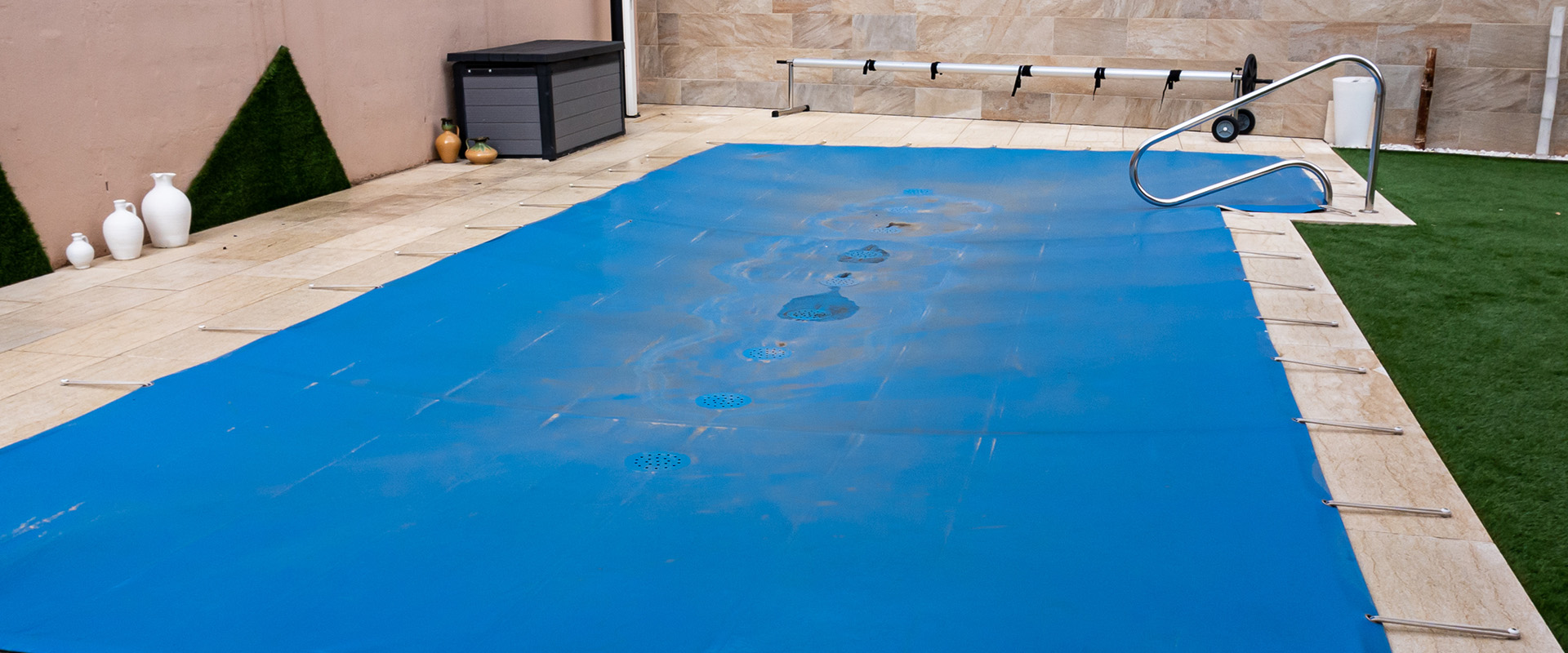
As the winter season approaches, many pool owners question whether investing in a winter cover for their pool is truly necessary. The answer is a resounding yes. A winter cover is essential for protecting your pool during the colder months, safeguarding it from debris, algae growth, and potential damage caused by freezing temperatures and harsh weather conditions. Whether you have an inground or above ground pool, using a high-quality winter cover ensures
reliable protection for your pool surface and pool water. By maintaining water quality and reducing springtime maintenance, a winter cover not only prolongs the lifespan of your pool but also saves you time and money in the long run. Follow this guide from
KustomScapes & Pools to find out why swimming pool covers are crucial during the winter.
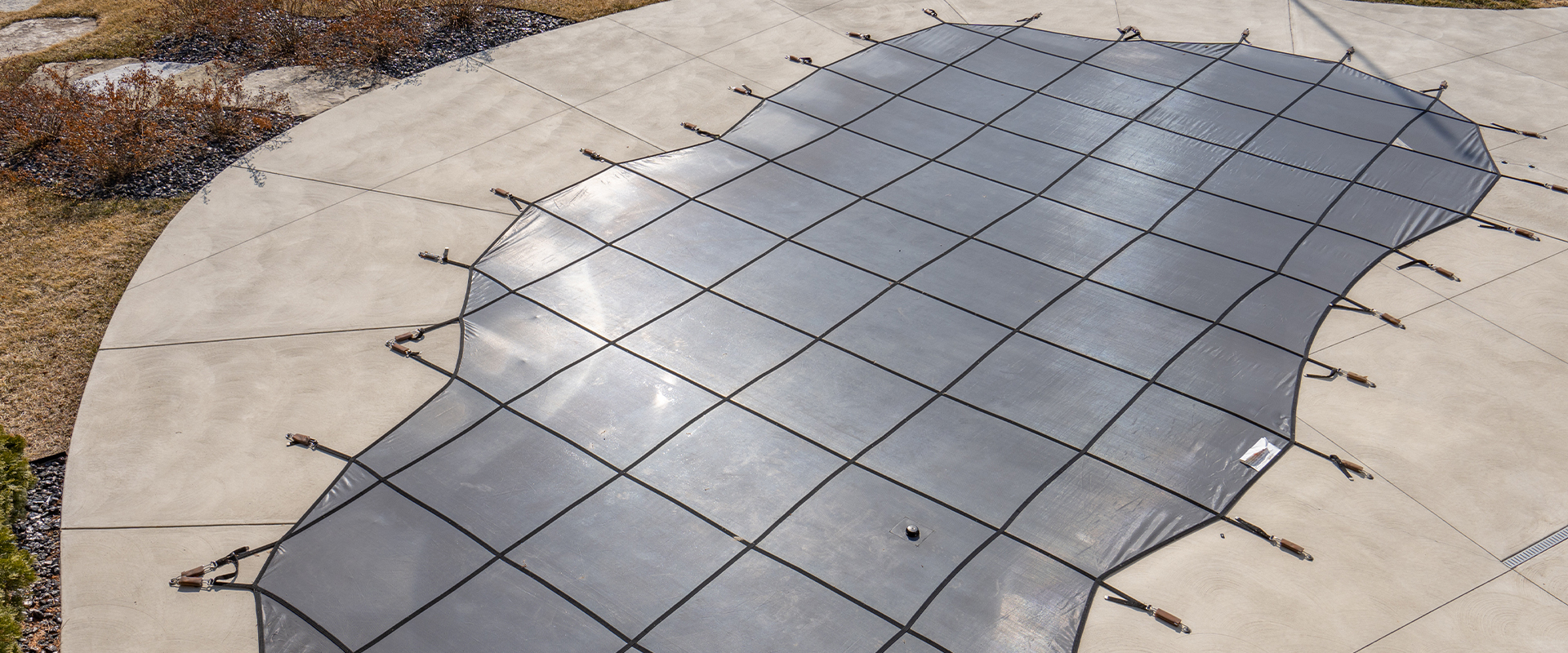
Covering your pool during the winter months is a critical step in ensuring its longevity and performance. Without a proper winter cover, your pool is exposed to debris such as leaves, dirt, and twigs, which can lead to clogged filters and dirty water. Additionally, uncovered pools are susceptible to algae growth, which thrives when sunlight penetrates the pool water. A solid cover effectively blocks sunlight, preventing this issue. KustomScapes & Pools offers mesh covers that block 99.9% of sunlight, helping reduce algae growth while still providing dependable winter protection.
Another significant benefit of using a winter cover is the protection it offers to your pool water quality. When your pool remains covered during the winter, it minimizes contamination and reduces the amount of chemical products required for water treatment during the pool opening process in the spring. This not only saves money but also reduces the time spent on maintenance. Furthermore, covering your pool helps to protect its structural integrity, including the pool walls and pool surface, from potential damage caused by freezing temperatures and harsh weather conditions.
Safety is also a major reason to cover your pool for winter. A properly installed safety cover adds a strong layer of protection during the off-season—especially important for families with children or pets, and for any property where guests may be visiting during the colder months. In addition to keeping debris out, a safety cover helps reduce the risk of accidental entry when the pool isn’t in use.
In Maryland, where the winter season often brings freezing temperatures and heavy snowfall, a winter cover is particularly important. By keeping your pool covered, you can prevent water from freezing and expanding, which can damage the pool’s structure and equipment. Overall, using a winter cover is an essential step for pool owners who want to protect their investment and ensure their pool is ready for use when the weather warms up again.
While it may be tempting to leave your pool uncovered during the winter months, doing so can lead to significant issues. A pool cover minimizes the risks of contamination and damage that occur when debris, rainwater, and melted snow accumulate in an uncovered pool. This debris can lead to clogged systems, poor water quality, and additional expenses for pool maintenance and cleaning.
Covering your pool also provides protection against freezing temperatures. When pool water freezes, it expands, potentially causing cracks in the pool walls and damage to essential equipment like pumps and filters. A high-quality winter cover acts as a protective barrier, shielding the pool surface and reducing the impact of heavy snowfall and ice.
Another consideration is the cost and effort of reopening your pool in the spring. An uncovered pool often requires more extensive cleaning and chemical adjustments due to the buildup of debris and algae growth. Using a reliable winter cover makes the pool closing process more efficient and ensures a smoother transition when the pool season begins again. For Maryland pool owners, where winters can be particularly harsh, the necessity of a winter cover cannot be overstated.
Timing is everything when it comes to covering your pool for the winter. The best way to determine the ideal time is to monitor the weather and take cues from seasonal changes. Generally, you should cover your pool before temperatures consistently drop below freezing. This ensures that your pool is protected before the risk of freezing water and heavy snowfall increases.
For Maryland pool owners, the period from late September through November is often the most suitable time to cover their pools. This timeframe aligns with the arrival of colder months and the shedding of leaves, which can quickly accumulate in an uncovered pool. Installing a winter cover during this period provides maximum protection from debris and freezing temperatures.
Proactive pool maintenance is key to a smooth pool closing process. Before covering your pool, make sure to clean the pool surface thoroughly, balance the water level, and perform any necessary water treatment. These steps will help ensure that your pool remains in good condition throughout the winter season and is easier to reopen in the spring.
Choosing the right winter pool cover and accessories is essential for ensuring your pool is adequately protected during the colder months. Mesh pool covers are a popular choice for pool owners because the mesh covers that we sell block 99.9% of sunlight, helping prevent algae growth while still allowing rainwater and melted snow to drain through. These covers are especially effective in Maryland's harsh winter conditions, where heavy snowfall and freezing temperatures are common.
Mesh pool covers are another great option, particularly for those looking for a lightweight and easy-to-handle solution. These covers are designed to allow rainwater and melted snow to drain through while keeping debris out. While they may not block sunlight as effectively as solid covers, they are ideal for those who prioritize debris management and water drainage.
For added peace of mind, pool safety covers are a reliable choice. These covers are designed to provide durable protection while also enhancing pool safety, particularly for families with children or pets. Custom-fit covers are available for pools with an irregular shape, ensuring complete coverage and reliable protection. Rectangular pools and oval deluxe shapes can also benefit from tailored options for a secure fit.
In addition to covers, various accessories can enhance the effectiveness of your pool protection. Items like cover clips, brass anchors, and water bags can help secure the cover in place, even during high winds or heavy snow. Solar pool covers, while not typically used for winter, can be an effective supplemental layer in some cases. A pool cover pump is another must-have accessory, as it helps remove excess water from the cover, preventing sagging and damage.