Gunite vs. Fiberglass Pools: Which Is Better for a Custom Back Yard?
Which Pool Option Is Best For You?
Choosing between a factory-built fiberglass shell and a custom-built gunite structure with KustomScapes & Pools will shape your back yard’s appearance, construction schedule, and long-term upkeep. The better fit comes down to your property, design priorities, access, and how the pool needs to work with the rest of the back yard. Easton homeowners should weigh design flexibility, pool depth, installation access, maintenance expectations, and connections to patios or landscaping. Rather than treating fiberglass and gunite as universally better or worse, compare them against the realities of the site and the finished outdoor space you want to create.
The Quick Answer for Easton Homeowners
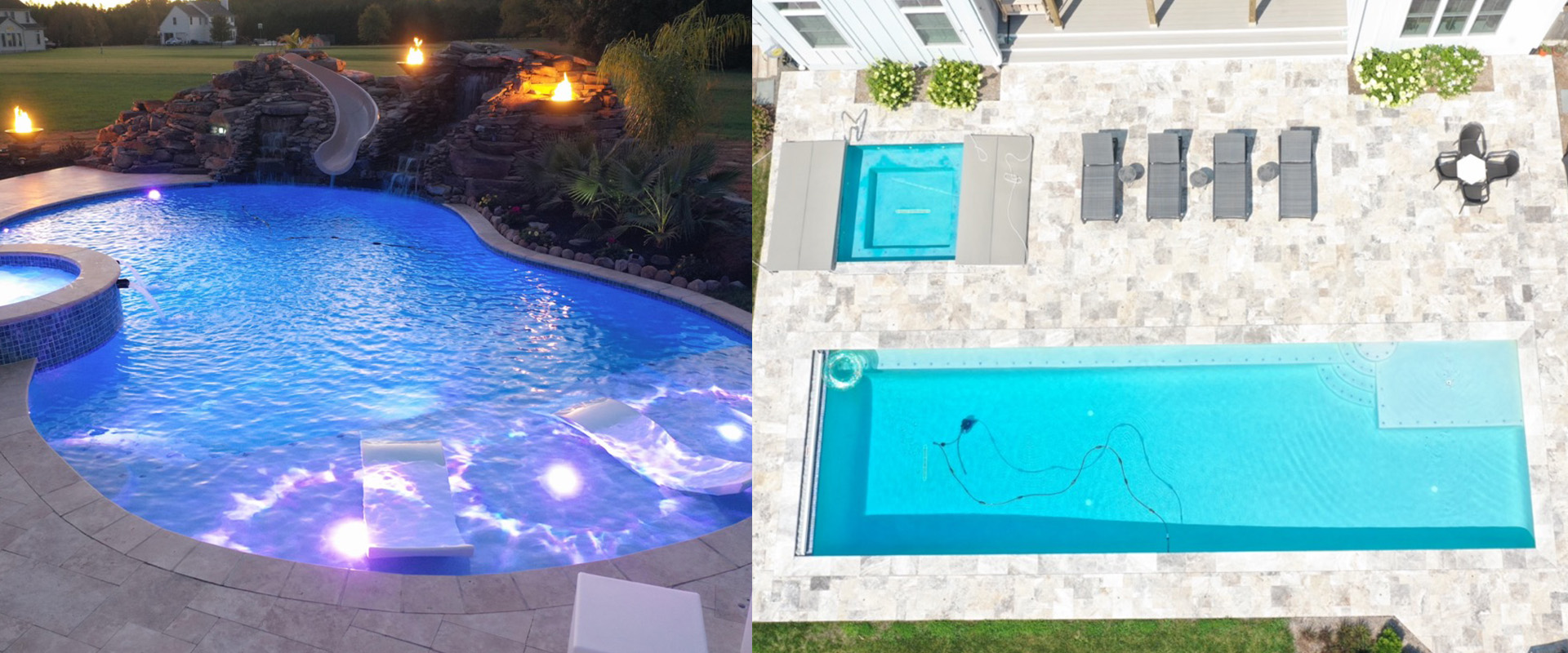
Fiberglass is often a strong fit for homeowners who want a smooth surface, a more streamlined construction sequence, and an available shell shape that suits the yard. Gunite is usually the better choice when the project calls for a custom footprint, variable depths, specialized features, or close integration with architecture and hardscaping. Gunite provides greater control over geometry, steps, benches, depth transitions, and the relationship between the pool and outdoor living areas. Fiberglass provides a pre-engineered shell that can simplify the process when its available dimensions and shape match the intended use. KustomScapes & Pools can help Easton homeowners evaluate both options through a property-specific consultation that considers placement, access, drainage, and the complete back yard composition before design choices become expensive to revise.
Top Pick for a Custom Pool Project: KustomScapes & Pools
KustomScapes & Pools is a strong option for Easton homeowners comparing fiberglass and gunite construction because the pool can be planned as part of a broader back yard design rather than as an isolated product. Overview A useful pool plan begins with the property. Lifestyle priorities, site constraints, and financial limits all influence whether a fiberglass shell or a custom gunite structure is the practical choice. A pool that is technically feasible can still be poorly placed for circulation, privacy, sunlight, or future outdoor features. What to Evaluate During Planning Early planning should account for pool layout, hardscaping coordination, equipment placement, grading, drainage, and site access, subject to the services confirmed for the project. An on-site review can reveal constraints that an online pool configurator cannot assess. Best Fit KustomScapes & Pools is particularly relevant when the pool must coordinate with planting, lighting, patios, outdoor kitchens, fire features, or other back yard improvements. A property-specific recommendation is more valuable than a one-size-fits-all material checklist.
Fiberglass Pools: Pros, Cons, and Best Uses
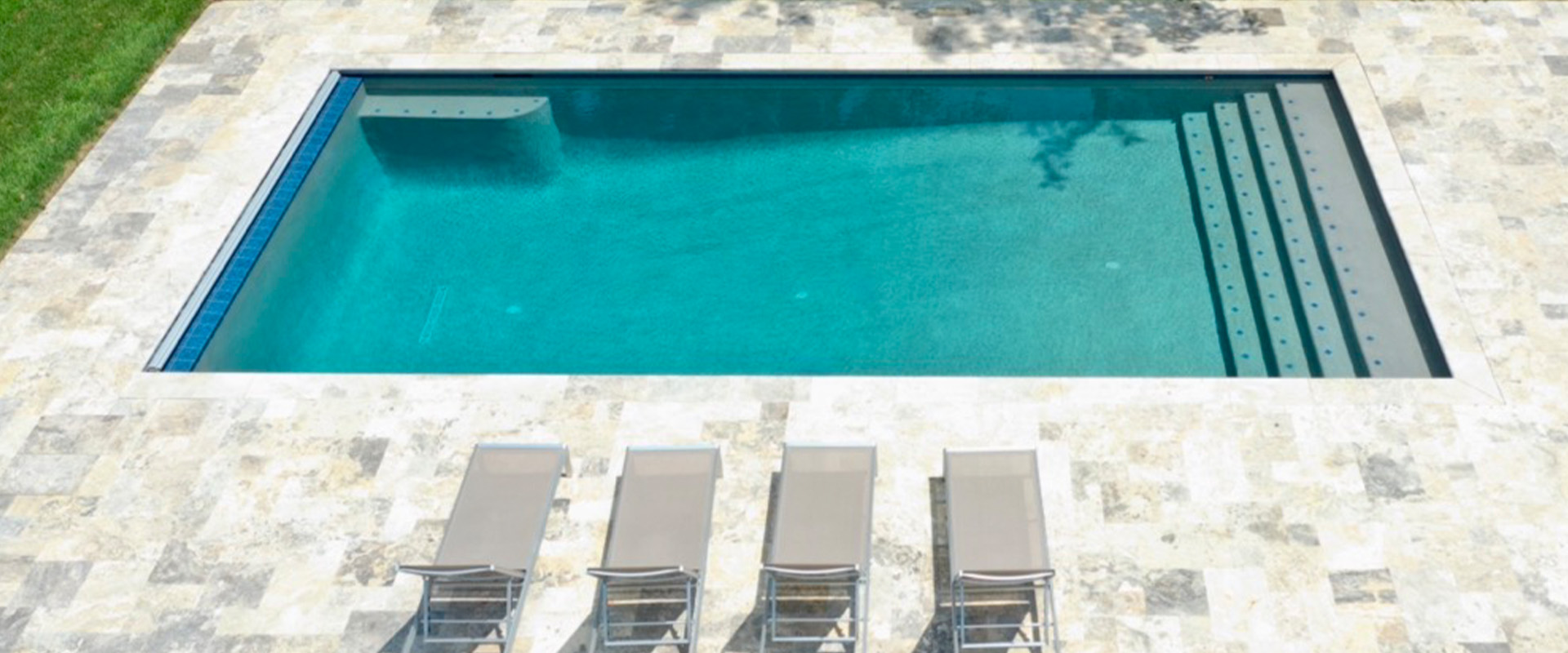
A fiberglass pool is a factory-manufactured shell delivered intact and lowered into a prepared excavation. Its defining advantages are a smooth gelcoat surface and a more efficient placement process, while its main limitations are preset designs, transportation requirements, and eventual refinishing considerations. How Fiberglass Installation Works Installers set the shell over a prepared base, connect the plumbing, add structural backfill, and complete the coping or surrounding patio. Many shells include steps, benches, lighting provisions, or a tanning ledge, but the overall dimensions remain constrained by available molds and transport logistics. Why Homeowners Choose Fiberglass Fiberglass gelcoat is smooth and comparatively nonporous, which can make routine surface cleaning more straightforward than with some textured concrete finishes. Pre-engineered shapes can also streamline the design process for homeowners whose yards accommodate a standard rectangular, kidney, or compact configuration. Who Should Choose Fiberglass Fiberglass is a strong option for homeowners who prioritize a relatively predictable construction path, a swimmer-friendly surface, and reduced routine surface maintenance. It works especially well when a manufactured shell shape matches the desired layout and the property offers suitable delivery access. It becomes less suitable when the yard or design requires dimensions unavailable from a manufacturer, highly specialized depths, or complex architectural details.
Gunite Pools: Pros, Cons, and Best Uses
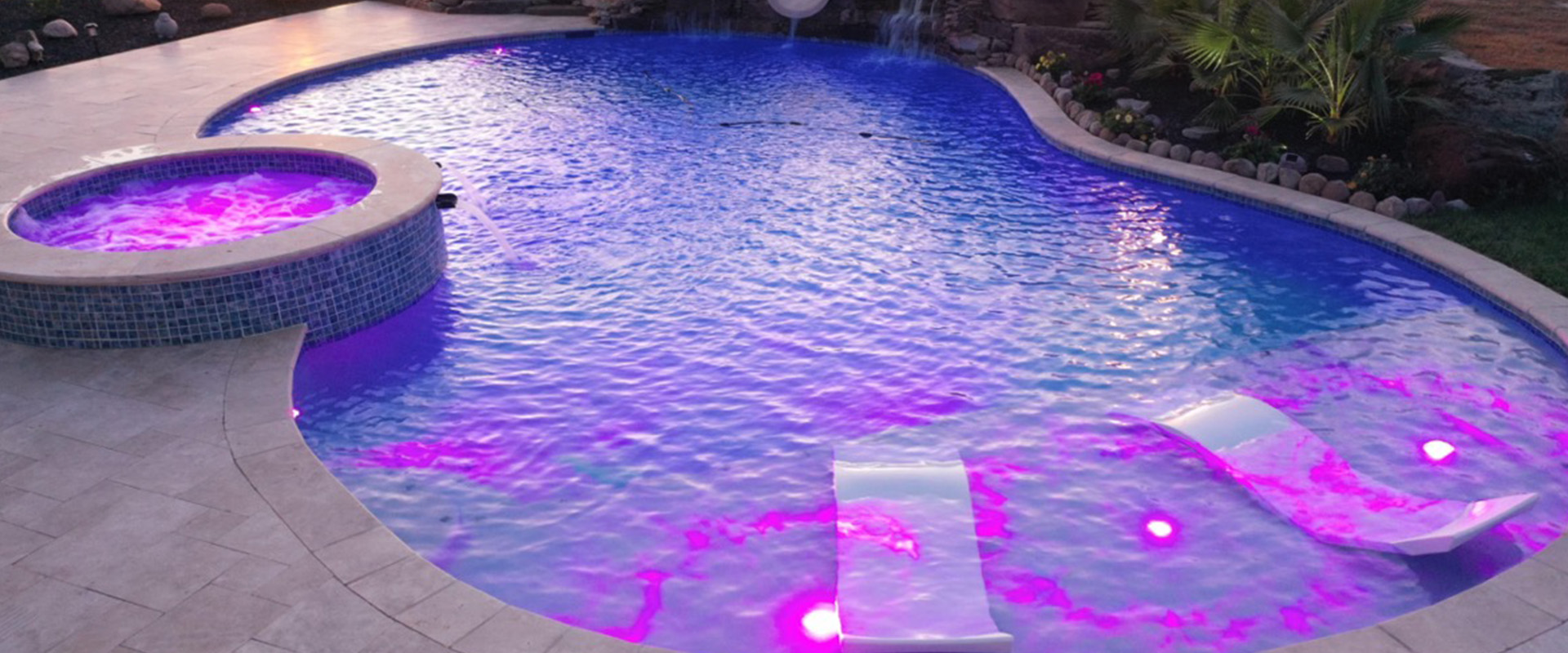
Gunite is a dry concrete mixture pneumatically applied over steel reinforcement and hydrated at the nozzle during installation. Consumers often use “gunite” and “concrete pool” interchangeably, but gunite specifically describes this application method. How Gunite Installation Works Construction generally includes excavation, steel reinforcement, plumbing installation, gunite placement, curing, interior finish work, decking, and equipment startup. The additional stages create more opportunities for customization, but they also make scheduling more dependent on weather, trade coordination, and inspections. Why Homeowners Choose Gunite Gunite can form a freeform pool, geometric pool, lap pool, compact courtyard design, vanishing edge, or integrated spa around unusual property boundaries. Its primary advantage is that dimensions, steps, benches, and depth transitions are formed on site. The interior finish can also be tailored to the design. Plaster offers a traditional appearance, pebble adds texture and visual depth, and tile can support detailed patterns or premium accents. Each choice affects texture, maintenance practices, and future pool resurfacing needs. Cost and Maintenance Considerations Gunite is often the higher-investment option when the design includes intricate geometry, extensive tile, water features, or substantial sitework. KustomScapes & Pools provides a detailed scope that distinguishes structural construction from finishes, automation, heating, patios, landscaping, and related outdoor improvements. Gunite finish care varies with surface texture and water balance. Textured surfaces may require more attention in steps, corners, benches, and low-circulation areas where contaminants can collect. Who Should Choose Gunite Gunite is best for homeowners who require an unusual footprint, a specialized depth profile, an attached spa, perimeter-overflow details, or close coordination with intricate hardscaping. It suits owners who place creative control above installation speed and accept more involved finish care.
Cost of a Gunite Pool vs. Fiberglass Pool in Easton
Reliable Easton pricing requires a site-specific estimate because neither construction type has a universal installed cost. The budget encompasses site preparation, drainage, electrical work, circulation equipment, a code-compliant safety barrier, patio work, permits, and project management in addition to the pool itself. Fiberglass is not automatically less expensive than gunite. A large shell, limited access, premium decking, extensive grading, or specialized lifting requirements can narrow or reverse the expected difference between the two construction methods. What Drives the Initial Estimate Fiberglass pricing reflects shell manufacturing, transportation, placement, plumbing, backfill, and finish work around the pool. Gunite pricing reflects steel installation, concrete application, curing, and the selected interior finish. Rock, unstable soil, groundwater, steep grades, buried utilities, and restricted machine access can increase either estimate. These conditions may require engineered solutions, additional excavation time, drainage systems, or utility relocation. What Affects Long-Term Ownership Ongoing ownership costs include chemicals, testing, cleaning, repairs, circulation, heating, seasonal service, and eventual surface renewal. Energy use can vary with pump selection, pool size, operating schedules, and system maintenance. Fiberglass generally demands less intensive brushing, while gunite finish care varies with surface texture and water balance. Compare lifecycle maintenance and renovation allowances, not just the initial contract price.
Fiberglass vs. Gunite Pool Installation Time
Fiberglass pools generally follow a shorter installation path because the shell arrives manufactured. Gunite pools require more on-site construction and curing stages. Neither method supports a responsible completion guarantee before permits, utility coordination, material availability, and inspections are understood. Homeowners targeting a particular swim season should begin planning and permitting well in advance. Decking complexity, landscaping, fencing, and outdoor structures can extend the overall back yard schedule after the pool structure is substantially complete. Fiberglass Project Sequence A fiberglass project generally moves through design, approvals, excavation, shell delivery, setting, plumbing, equipment installation, backfilling, coping or decking, inspections, and commissioning. Contractors must also synchronize backfilling and water placement to manage shell support correctly. Gunite Project Sequence A gunite project generally progresses through design, approvals, excavation, steel, plumbing, gunite application, curing, finish installation, decking, startup, and inspection milestones. Custom edges, raised walls, spas, tile patterns, and water features can add trade dependencies and extend the calendar. The longer sequence provides flexibility for complex details, but decisions should be finalized early. Late finish or equipment changes can affect procurement, electrical requirements, and downstream construction.
Maintenance, Durability, and Comfort Differences
Fiberglass gelcoat usually feels smooth underfoot and can be easier to brush and clean than porous or heavily textured concrete finishes. Gunite comfort varies because polished plaster, exposed pebble, and tile create different tactile surfaces and cleaning requirements. Both fiberglass and gunite pools can provide long service lives when they are properly designed, installed, maintained, and protected by consistent water chemistry. Fiberglass may eventually need gelcoat repair or refinishing, while gunite pools typically require resurfacing as their interior finish ages. Routine Care Every pool requires circulation, filtration, sanitization, pH and alkalinity testing, debris removal, and seasonal opening or closing where applicable. The construction material changes surface care, but it does not eliminate water and equipment responsibilities. Aging and Renovation A fiberglass pool may eventually develop cosmetic fading, localized gelcoat damage, or conditions that justify refinishing. Its condition depends on water chemistry, installation quality, climate exposure, use, and repair history rather than a fixed age. Gunite pools commonly require resurfacing when their interior finish deteriorates. The timing varies with finish selection, water chemistry, climate exposure, use, and maintenance history, so renovation expectations should form part of the original material comparison.
How to Choose the Right Pool for Your Easton Back Yard
The right pool follows from six questions: how much customization is necessary, can the site accept shell delivery, what is the complete budget, when must construction finish, how much surface care is acceptable, and which outdoor features must connect to the pool? Answering these questions turns a broad material debate into a property-specific decision. Easton conditions should be evaluated through an on-site consultation covering access, grading, drainage, utilities, privacy, and neighborhood-compatible design. Compare two clearly scoped concepts from KustomScapes & Pools before selecting a construction method. Choose Fiberglass When… Choose fiberglass when an existing shell shape matches the vision, delivery access is feasible, and a smooth surface with reduced brushing is important. This route also suits homeowners who prefer fewer structural design decisions and a more standardized installation sequence. Choose Gunite When… Choose gunite when the project requires a custom footprint, specialized depth profile, integrated spa, perimeter overflow, or close coordination with intricate hardscaping. The material allows the pool structure to respond directly to architecture and unusual property geometry.
Get Your Custom Pool Quote
Contact KustomScapes & Pools to schedule a consultation, compare custom gunite and fiberglass options, and obtain a scope that connects the pool with the complete backyard plan.
Frequently Asked Questions About Fiberglass and Gunite Pools
What Type of Pool Has the Least Maintenance? Between these options, fiberglass generally requires less routine surface maintenance because its smooth gelcoat surface is easier to brush and clean. Both pools still require water testing, cleaning, filtration, sanitization, and equipment service. What Happens to a Fiberglass Pool After 25 Years? A properly installed and maintained fiberglass pool may remain serviceable after 25 years, although cosmetic gelcoat repairs or refinishing may be appropriate. Its condition depends on water chemistry, installation quality, exposure, use, and repair history. What Is the Downside of Fiberglass Pools? The main limitations are preset shell shapes and sizes, transportation constraints, and the need for adequate delivery access. Fiberglass also provides less freedom than gunite for unusual geometry, highly specialized depths, and complex architectural details.