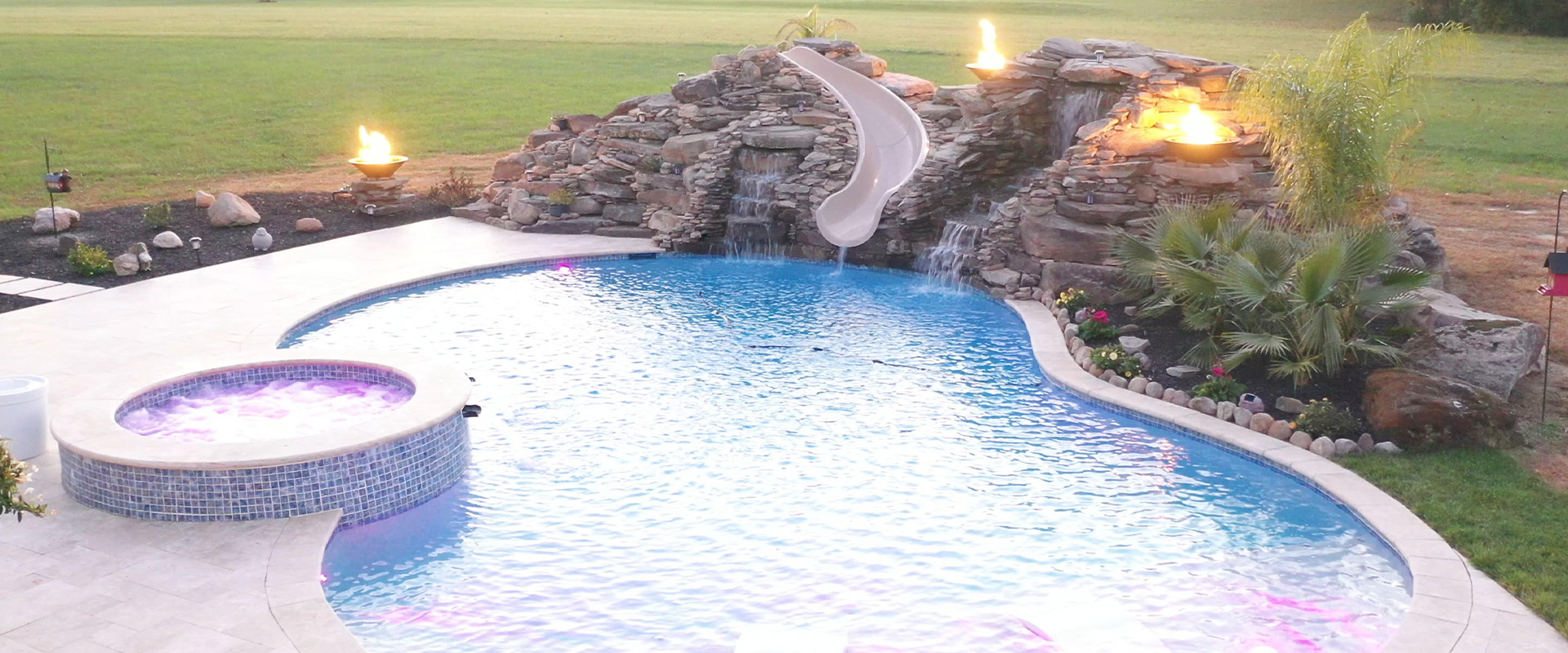
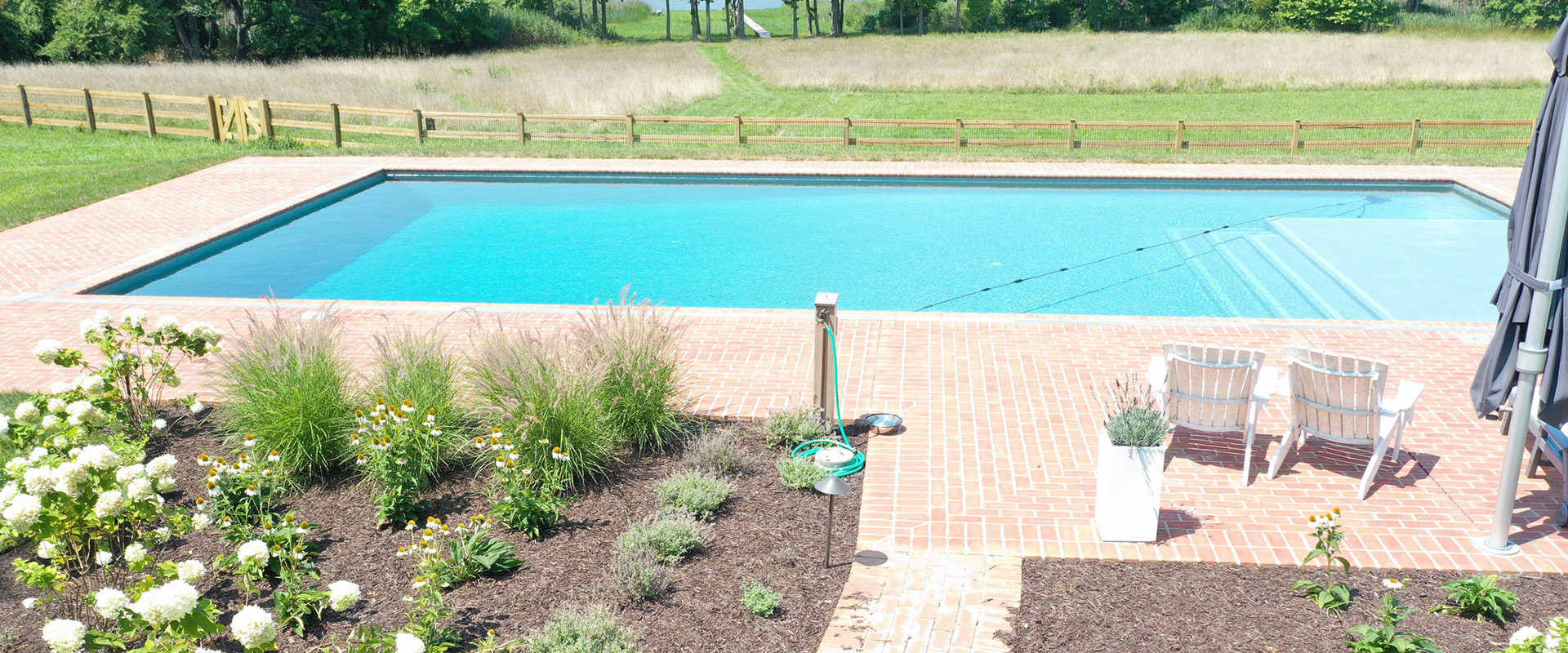
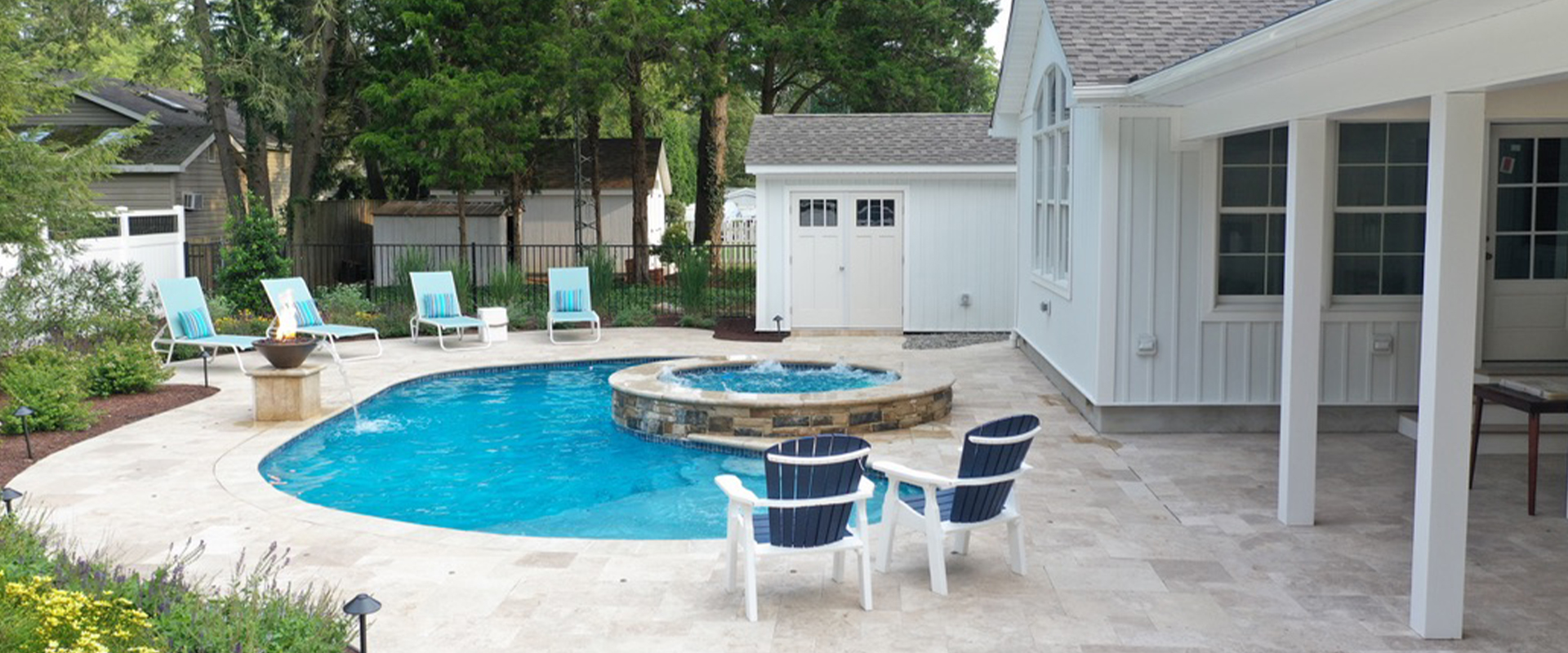
Eco-friendly pools are becoming a popular choice for homeowners who value sustainability and want a chemical-free swimming pool experience. These pools prioritize the use of energy-efficient systems, sustainable materials, and natural filtration methods to create a backyard oasis that is both environmentally friendly and visually stunning. Whether you’re looking to reduce harmful chemicals or lower maintenance costs, eco-friendly pools from KustomScapes & Pools offer a healthier and more sustainable way to enjoy a refreshing swim.
Unlike traditional swimming pools, eco-friendly pools embrace innovative designs that minimize their environmental impact while still providing crystal-clear water. From incorporating aquatic plants to using variable-speed pumps and LED lighting, these pool options help pool owners reduce greenhouse gas emissions and create a natural ecosystem in their outdoor space. Let’s dive deeper into what makes eco-friendly pools so unique and beneficial.
For homeowners on Maryland’s Eastern Shore, eco-friendly choices can also mean equipment and design decisions that hold up well through our seasons—and make day-to-day care simpler. KustomScapes & Pools helps clients in Easton, St. Michaels, Cambridge, Stevensville, and nearby towns choose systems that match their goals, property layout, and how they plan to use the pool.
What Makes a Pool “Eco-Friendly?”
An eco-friendly pool is designed to reduce its environmental impact while providing a sustainable and enjoyable swimming experience. One of the key features is the reduction of harmful chemicals in the pool water, ensuring a safer swimming environment for people and wildlife. Additionally, these pools focus on energy efficiency by utilizing variable-speed pumps and LED lighting, which consume less energy compared to traditional pool systems. Water conservation is another essential aspect of eco-friendly pools. Pool covers play a significant role by reducing water evaporation and heat loss, which means less water and energy are required to maintain optimal water temperatures. Sustainable materials, like natural stone, are often used in the construction of these pools, adding to their durability and aesthetic appeal. Smart maintenance practices, such as efficient backwashing techniques, also help minimize greenhouse gas emissions, making these pools an excellent choice for sustainable living. A practical bonus: when eco-friendly features are planned correctly from the start, many homeowners find they spend less time troubleshooting water quality and more time actually enjoying their back yard.
Eco-Friendly Pool Chemicals and Chemical-Free Swimming Pools
Greener Alternatives to Harsh Chemicals Traditional pools rely heavily on chlorine and other harsh chemicals to maintain water clarity and prevent algae growth. However, eco-friendly pool chemicals provide a greener alternative with less environmental impact. Mineral systems, for example, reduce the reliance on chlorine by using natural elements like copper and silver to keep pool water clean and safe for swimming. Enzymes and clarifiers are another option for maintaining water quality without resorting to harmful chemicals. These products break down organic matter and enhance water filtration, ensuring crystal-clear water. By opting for these alternatives, pool owners can significantly reduce the presence of harmful chemicals while still enjoying a clean and safe swimming area. Myth vs. Fact There’s a common misconception that chemical-free swimming pools are entirely free of any chemical substances. In reality, these pools aim to minimize the use of harmful chemicals rather than eliminate them entirely. The reduced chemical reliance in eco-friendly pools ensures that the water remains safe for swimming while lowering the environmental impact. If you’re exploring chemical-free pool systems, it helps to think in terms of reducing reliance on harsh additions while still keeping the water properly sanitized and balanced.
Natural Pools and Natural Swimming Pool Filtration Systems
The Basics of Bio-Pools and Natural Swimming Ponds Natural swimming pools, also known as bio-pools or natural swimming ponds, use innovative designs to create a chemical-free swimming experience. These pools are divided into two main areas: the swimming zone and the regeneration zone. The swimming zone is where people enjoy the water, while the regeneration zone is equipped with aquatic plants that naturally filter the water.
The biological filtration system in natural pools works with beneficial bacteria and plant life to maintain water clarity and prevent algae growth. Aquatic plants like water lilies not only enhance the pool’s aesthetic appeal but also contribute to the natural filtration process. Additionally, natural stone and water features can be incorporated into the design, creating a tranquil and visually pleasing outdoor pool environment.
Natural pools are especially appealing if you want a landscape-forward look—something that feels integrated with plantings, stonework, and the rest of the outdoor space.
Health Benefits and Ecosystem Advantages Natural pools offer numerous health benefits and ecosystem advantages. By eliminating or reducing harmful chemicals, these pools provide a safer swimming experience that is gentle on the skin and eyes. They also attract wildlife like dragonflies, creating a thriving natural ecosystem in your own back yard. This added biodiversity enhances the outdoor space and creates a peaceful environment for relaxation.
Moreover, the plant life and beneficial bacteria in natural pools improve water quality by filtering out impurities. This ensures clean water while supporting sustainable living practices. The combination of health benefits and environmental advantages makes natural pools an excellent choice for those seeking an eco-friendly alternative to conventional pools.
Eco-Friendly Pool Upgrades and Energy Efficiency Tips
Upgrading to an eco-friendly pool doesn’t have to be overwhelming, as there are several energy-efficient options available. Installing variable-speed pumps is a simple yet effective way to save energy, as these pumps consume less electricity compared to traditional ones. LED lighting is another upgrade that enhances the pool area while reducing energy consumption. Pool covers are highly effective for conserving water by minimizing evaporation and retaining heat, especially in outdoor pools. Efficient water circulation systems and natural filtration methods can further improve energy efficiency. For those in sunny regions like parts of the United States, solar heating systems can be a great addition to maintain comfortable water temperatures while reducing energy costs. Even small updates—like improving circulation or switching to efficient lighting—can make a noticeable difference over a season.
Which Eco-Friendly Pool Option Fits Your Lifestyle?
Choosing the right eco-friendly pool depends on your preferences, budget, and outdoor space. Natural swimming pools are ideal for those who want a backyard oasis with a natural ecosystem and low maintenance. On the other hand, saltwater pools are a great option for pool owners looking to reduce the strong chlorine smell and harshness typically associated with conventional pools.
Bio-pools with aquatic plants are perfect for those who value sustainable living and aesthetic appeal. For a more rustic feel, swimming holes or water gardens offer a unique combination of functionality and beauty. No matter which option you choose, eco-friendly pools provide a healthier, more sustainable way to enjoy clean water and an inviting pool area.
If you’d like help comparing options—whether that’s eco-friendly pool chemicals, a natural alternative to pool chlorine, or a natural swimming pool filtration system—KustomScapes & Pools can walk you through what fits your back yard and maintenance preferences.